

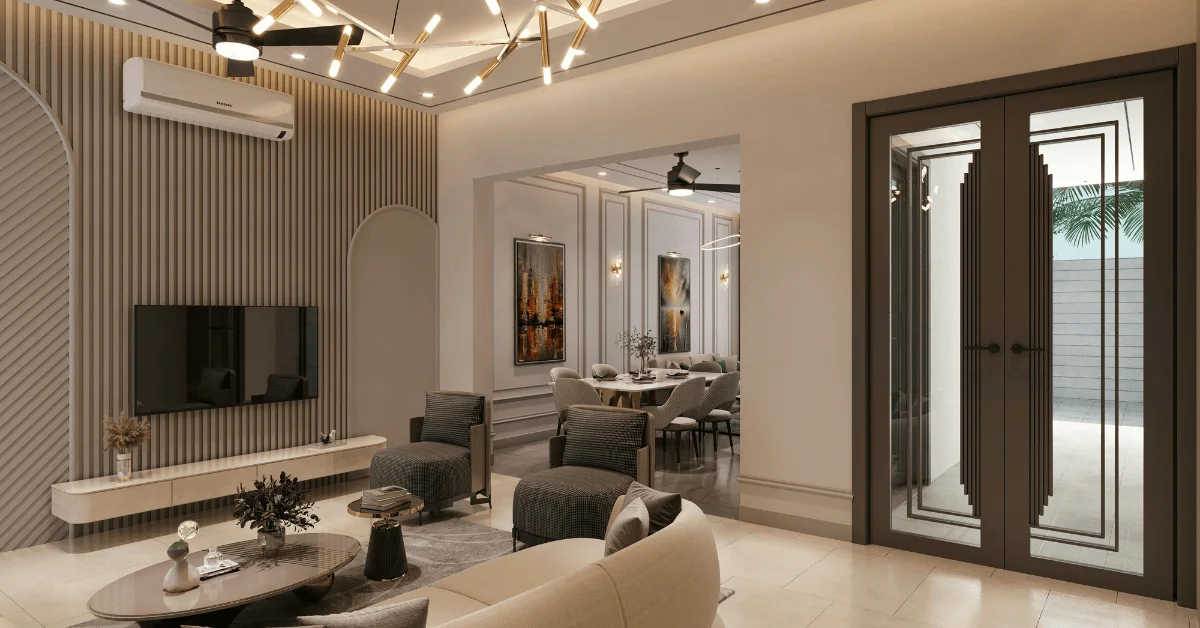
A beautiful home always starts with a clear vision. This introduction to interior design planning for home explains how thoughtful planning helps transform empty rooms into inviting, practical, and well-balanced living spaces. Beyond visual appeal, identity interior focuses on creating environments that support daily routines, emotional well-being, and long-term comfort.
Key benefits of starting with a strong interior design plan include:
- Clear design direction and objectives
- A defined visual concept before starting interior work
- Reduced design errors and costly changes later
Importance Of Interior space Planning for Home
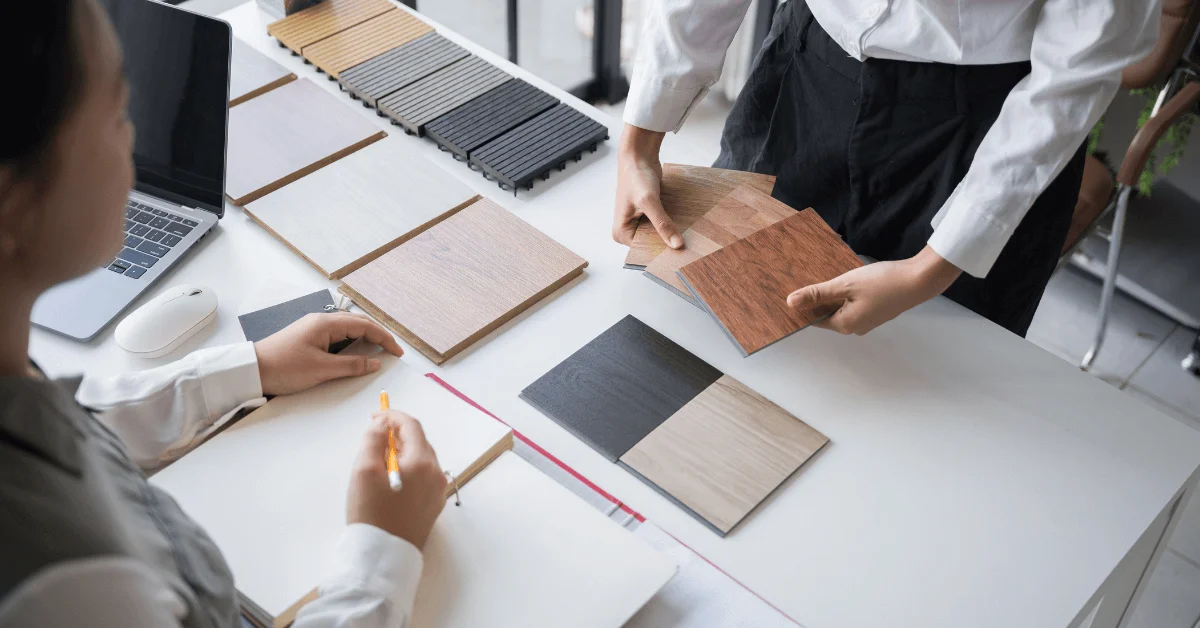
Understanding the importance of interior design planning for home allows homeowners to make confident and informed decisions. Proper planning helps control budgets, saves time, and ensures that every space serves a clear purpose while maintaining visual harmony and functionality throughout the house.
Space Planning in Interior Design: An Ultimate Guide
Space planning is the foundation of successful interior design. It defines how furniture placement, lighting, and movement work together to create functional interiors that feel open, comfortable, and well-organized.
The Crux of Space Planning
At its core, space planning focuses on usability and flow. It ensures smooth circulation, comfortable layouts, and efficient use of available square footage without compromising aesthetics, balance, or décor elements.
Importance of Space Planning in Interior Designing
Effective space planning:
- Enhances everyday comfort
- Improves room functionality
- Creates visual balance and harmony
- Builds a natural emotional connection with the home
It bridges the gap between interior design concepts and real-life living requirements.
Principles for Space Planning
Good space planning relies on essential modern home design principles such as:
- Scale and proportion
- Balance and visual rhythm
- Function-driven layouts
These principles ensure that interiors feel natural, cohesive, and practical rather than forced or overcrowded.
Stages of Planning Space in Interior Design
Space planning follows a structured, step-by-step process that allows flexibility while maintaining clarity and control.
Step 1: Define Your Purpose
Clearly identify how each room will be used. Lifestyle needs, family size, and daily habits help align the design with real-life usage.
Step 2: Take Measurements
Accurate measurements prevent overcrowding and ensure furniture fits comfortably within the available space.
Step 3: Create Zones
Zoning helps define areas for activities such as relaxing, dining, or working without the need for physical partitions.
Step 4: Furniture Selection
Choose furniture based on:
- Room dimensions
- Intended function
- Traffic flow and accessibility
Step 5: Layout Options
Exploring multiple layout options helps identify the most efficient and visually pleasing arrangement.
Step 6: Balance and Symmetry
Balanced layouts create calm and organized interiors through symmetry or intentional contrast.
Step 7: Multifunctional Solutions
Modern interior design benefits from:
- Smart storage solutions
- Convertible or modular furniture
- Space-saving design concepts
Step 8: Layer Lighting
Layered lighting enhances both functionality and mood by combining ambient, task, and accent lighting.
Step 9: Personal Touch
Personal elements such as artwork, textures, finishes, and décor details add warmth, character, and individuality to the space.
FAQs
Why is interior space planning required?
Interior space planning ensures efficient use of space while improving comfort, movement, and overall functionality.
What are the key elements of space planning?
Key elements include circulation flow, furniture scale, lighting design, zoning, and functional layout planning.
What is the primary goal of space planning in interior design?
The primary goal is to create interiors that are functional, comfortable, and visually cohesive.
Are there common mistakes to avoid in space planning for commercial interiors?
Yes, common mistakes include poor circulation, overcrowding, ignoring user needs, and improper furniture scaling.
What role does color play in space planning, and how does it affect room size perception?
Light colors make spaces feel larger and brighter, while darker tones add depth, warmth, and intimacy, creating a calming atmosphere.
Can sustainability principles be incorporated into space planning?
Yes, eco-friendly layouts, energy-efficient lighting, and sustainable materials support environmentally responsible interior design.
Where can I find professional interior designers for residential space planning?
Professional interior design firms and trusted online platforms are ideal for finding specialists in residential space planning. Researching portfolios and reviews helps in selecting the right expert.